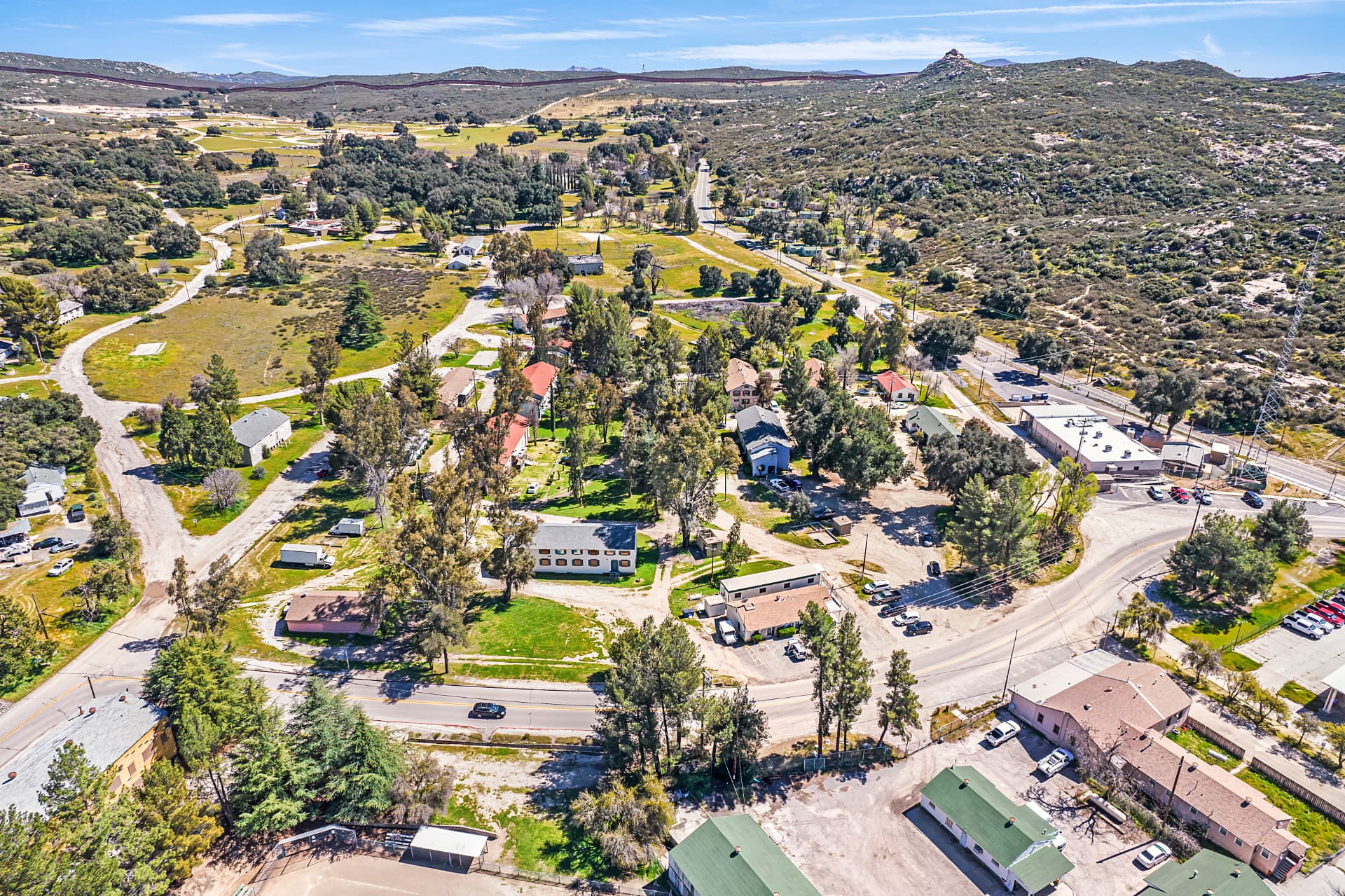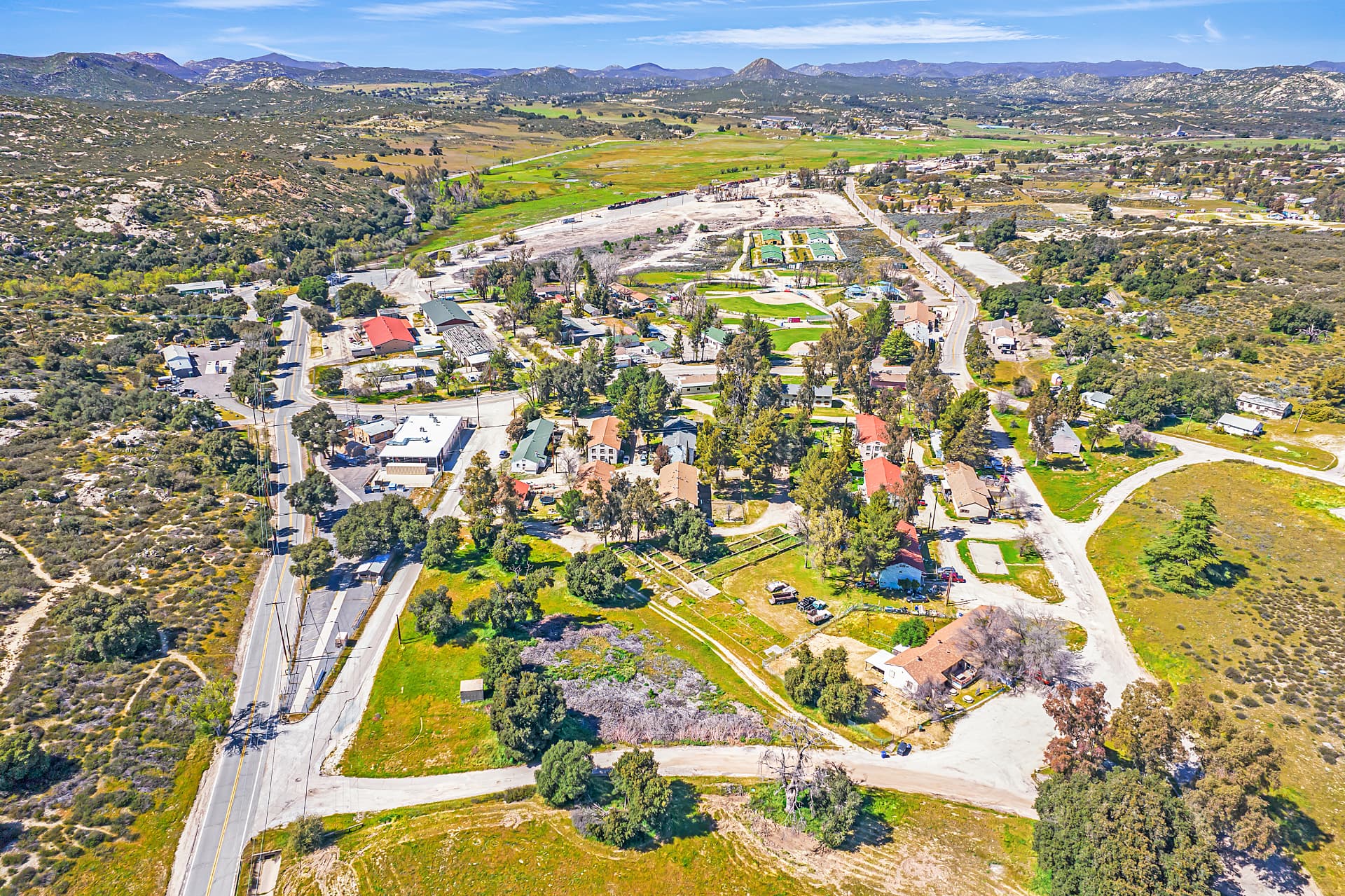
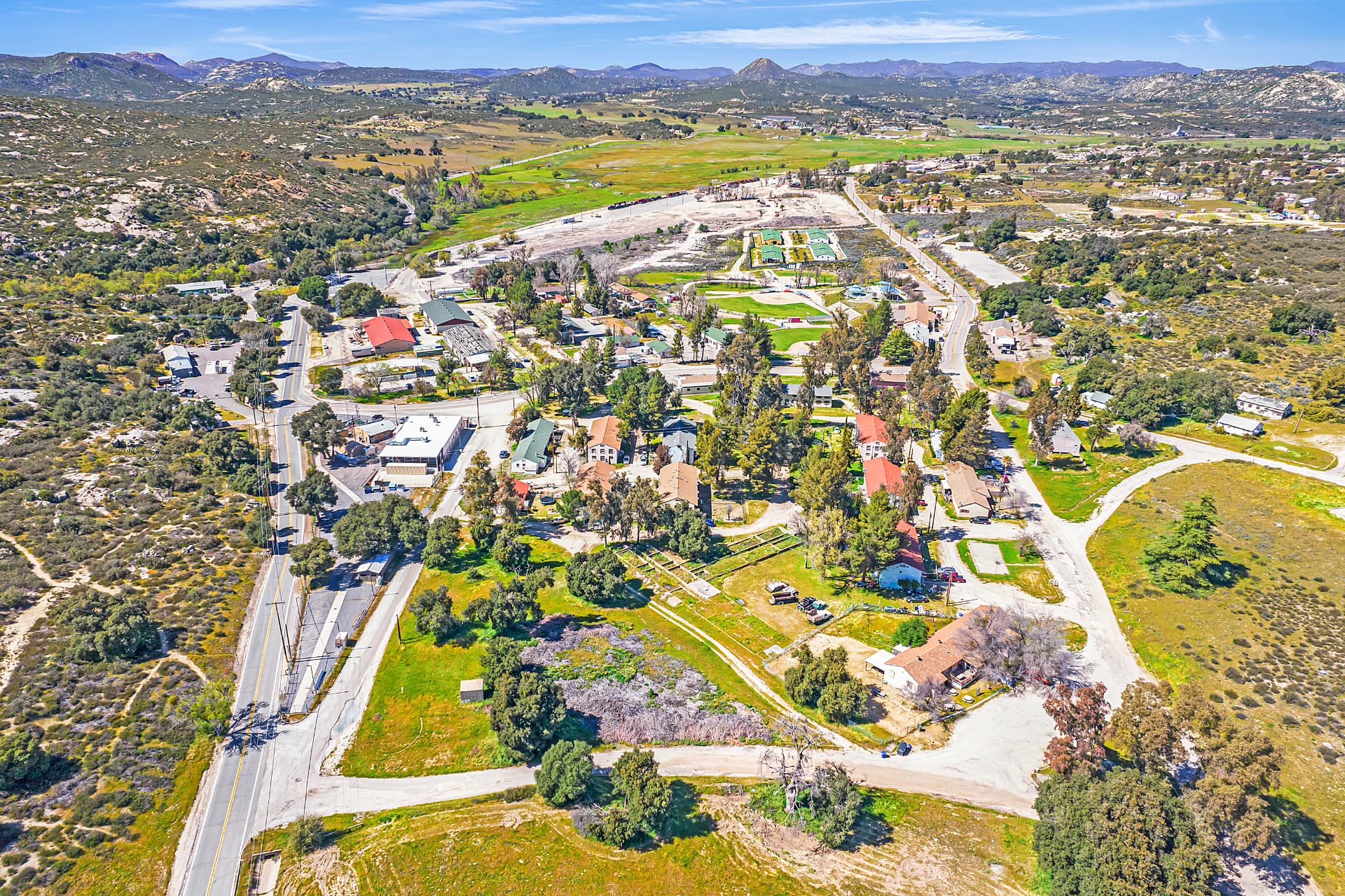
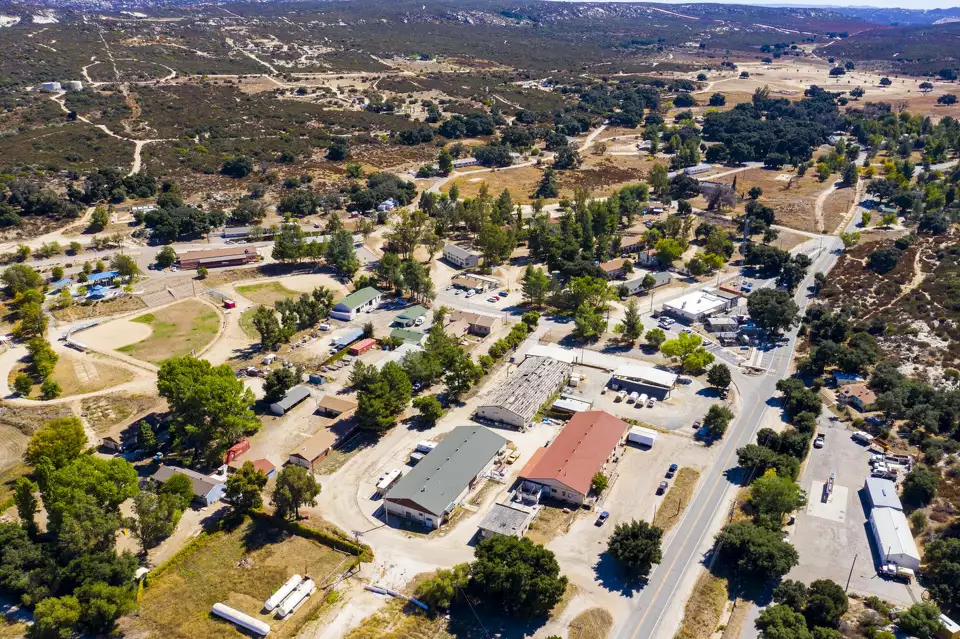
Aerial view of The Village of Campo, with rural roads, cottages, and the surrounding California desert

The Village of Campo · Est. 1868

Own a California Town.

The historic Village of Campo: nearly 16 acres, three parcels, and a working community one hour east of San Diego.

$5,995,000

15.75 acres

3 parcels

±95,000 SF

28 residential units

Commercial core with federal tenants

Seller financing available

Chapter One

The Story

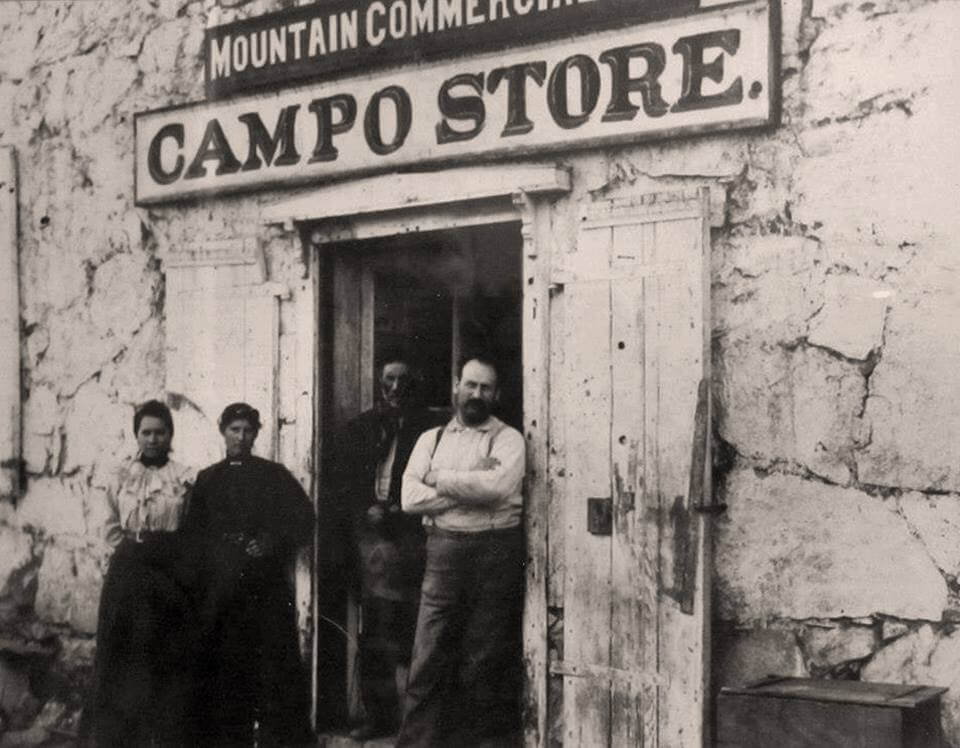
  1. Gaskill Brothers standing in the doorway of the Campo Store, circa 1900

    1868

    The Gaskill Brothers establish Campo as a frontier supply post on the San Diego to Yuma road.

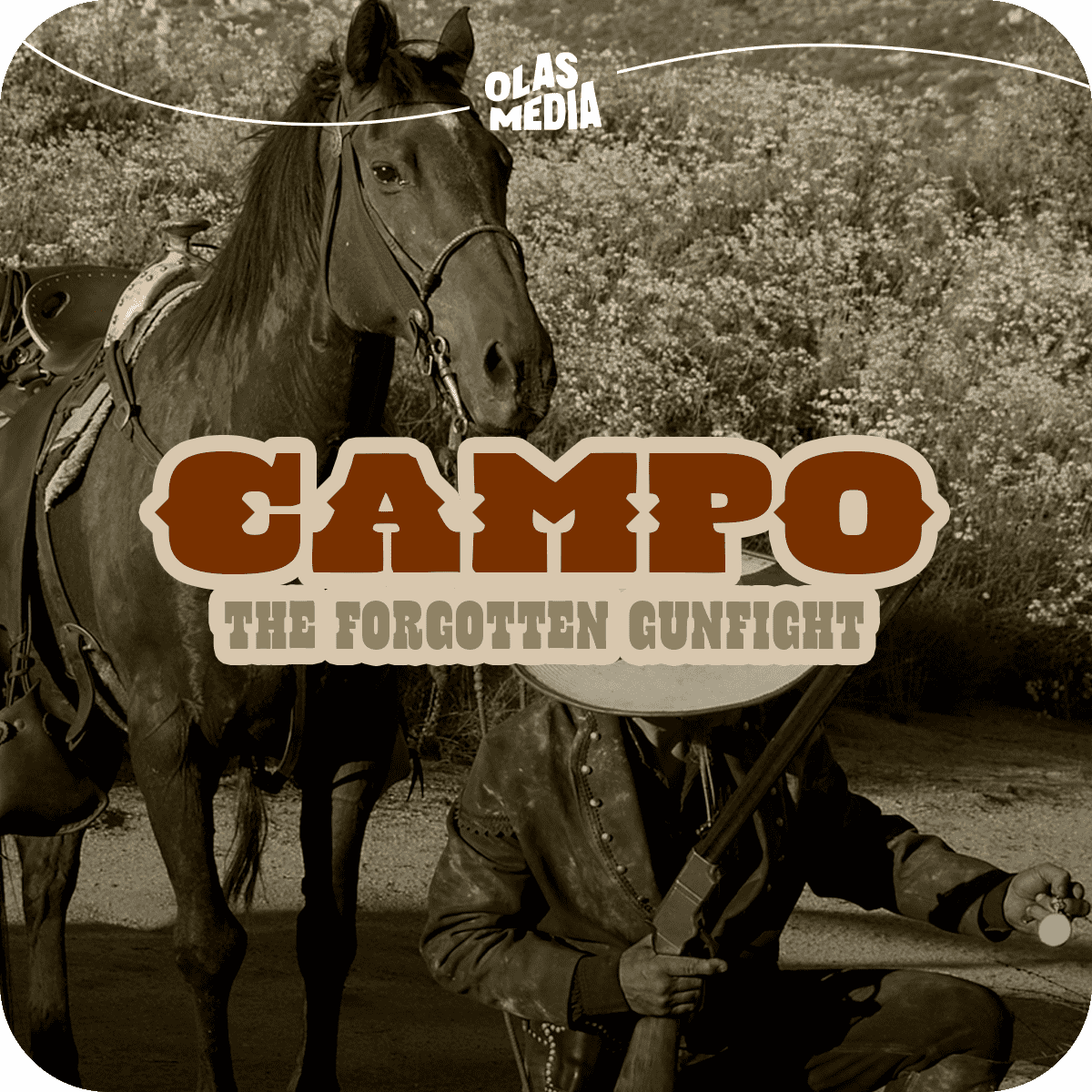
  2. Campo: The Forgotten Gunfight — a mounted cowboy with rifle in sepia tones

    1875

    The Campo Gunfight. Townspeople repel the Cruz Lopez gang in one of the last great gunfights of the Old West.

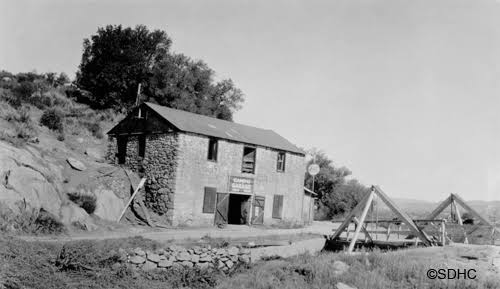
  3. The stone Gaskill Brothers Store rebuilt after the 1916 flood, with a wooden bridge alongside

    1916

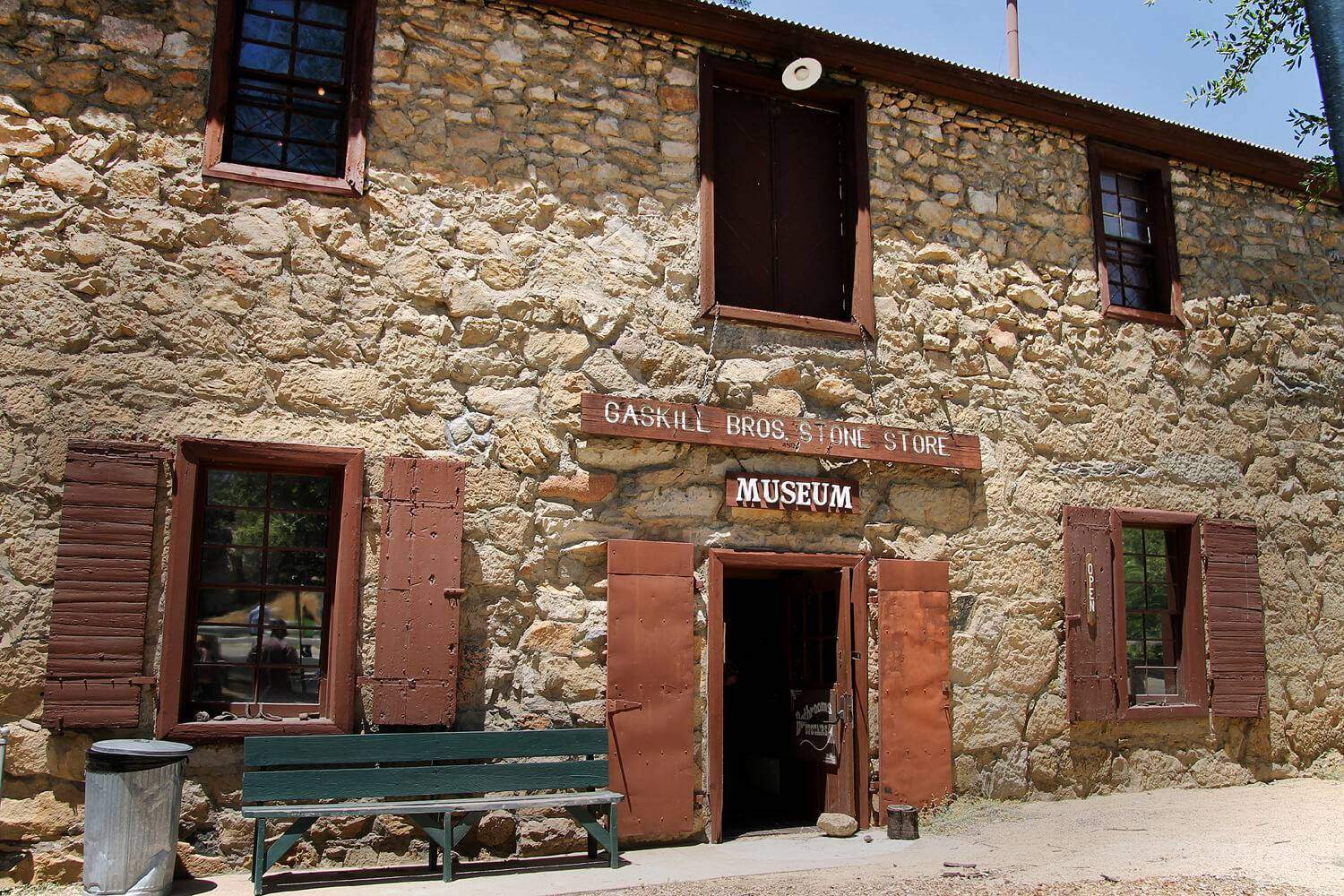
    After the great flood, the Gaskills rebuild in stone. Their fortress-like store still stands beside the property today as a county museum.

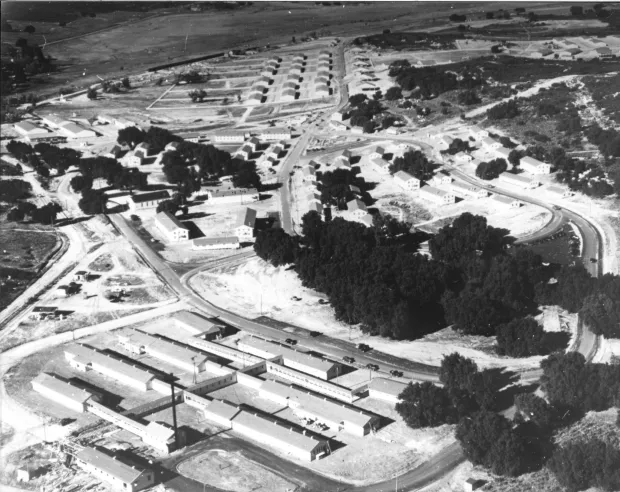
  4. Aerial view of Campo during the 1941 Army cavalry camp era, with barracks and roads laid across the desert

    1941

    The U.S. Army builds Camp Lockett, the last mounted cavalry post in American history, home of the Buffalo Soldiers of the 10th and 28th Cavalry Regiments.

  5. Aerial view of The Village of Campo today, with rural roads, cottages, and green desert hills surrounding the town

    Today

    The village endures. Roughly 100 residents, a working post office, an operating lumber yard, and buildings waiting for their next chapter.

Chapter Two

The Town Today

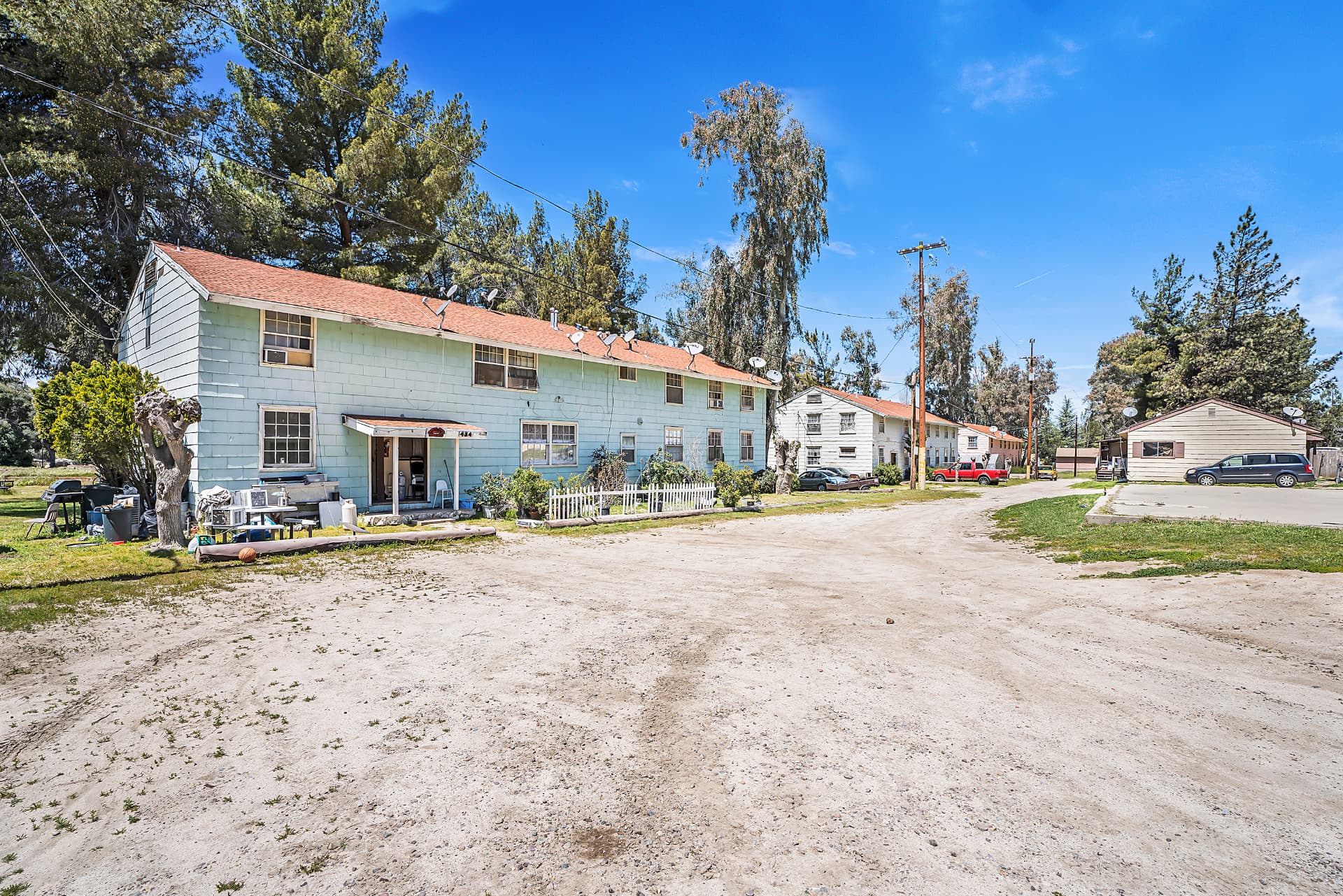
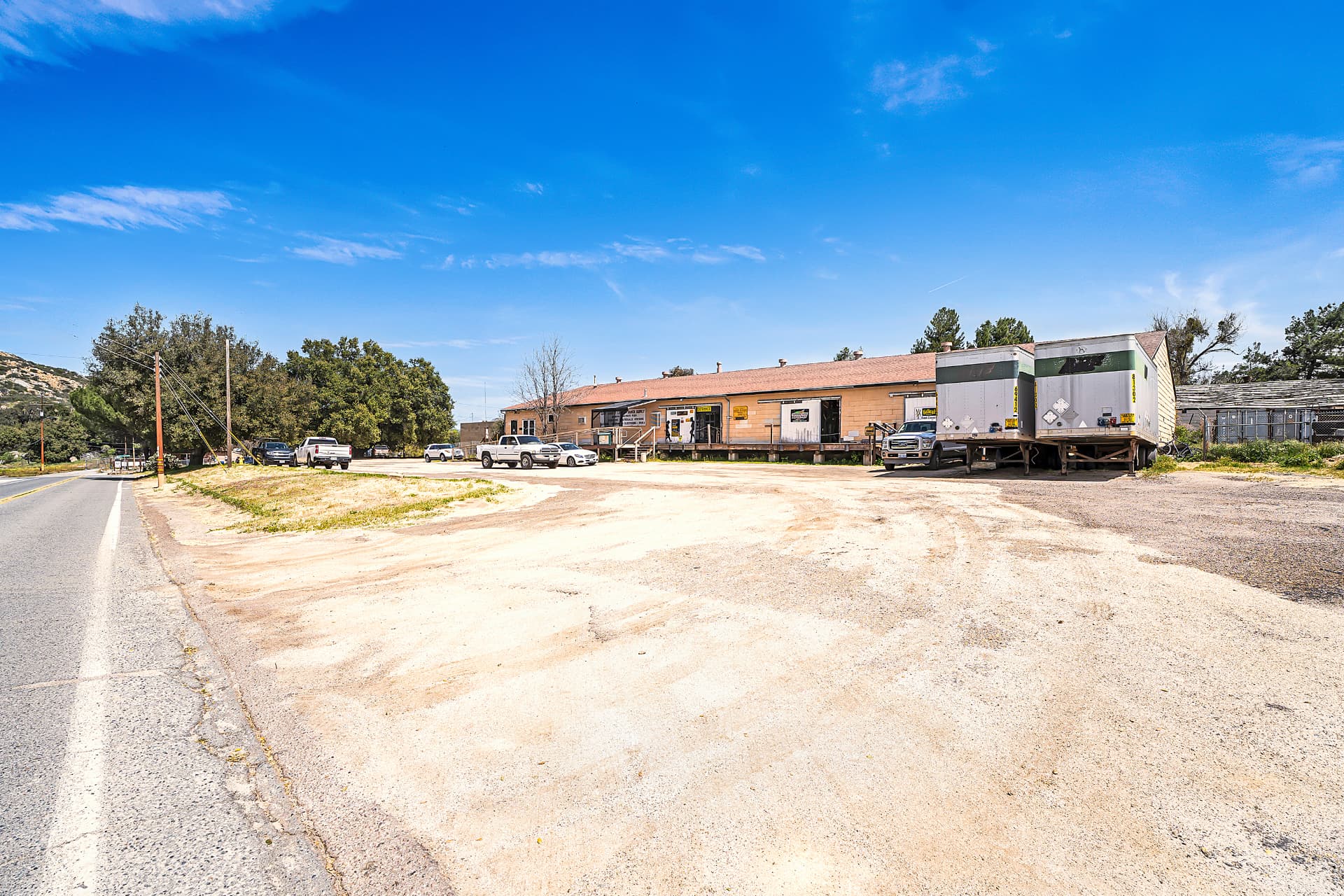
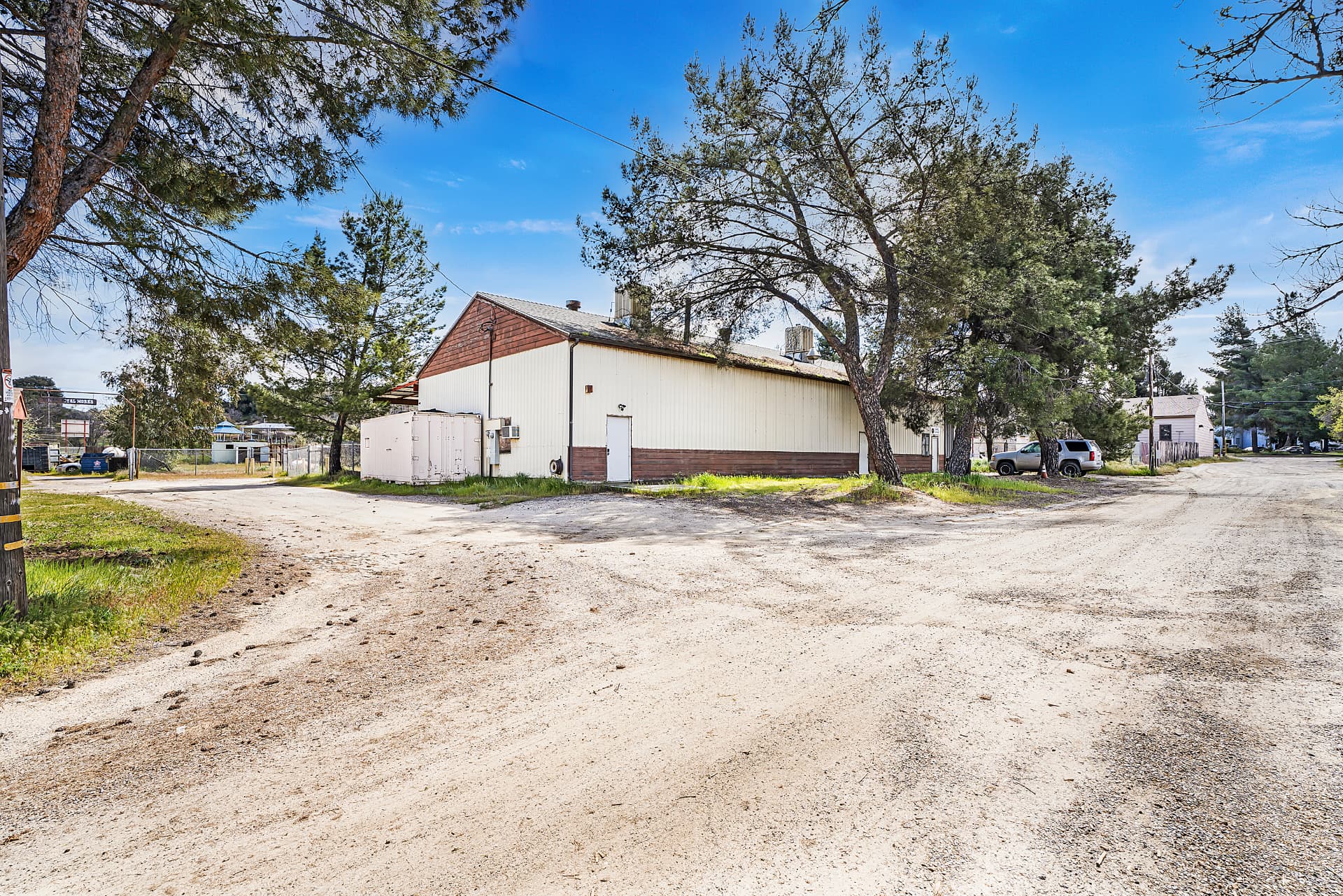
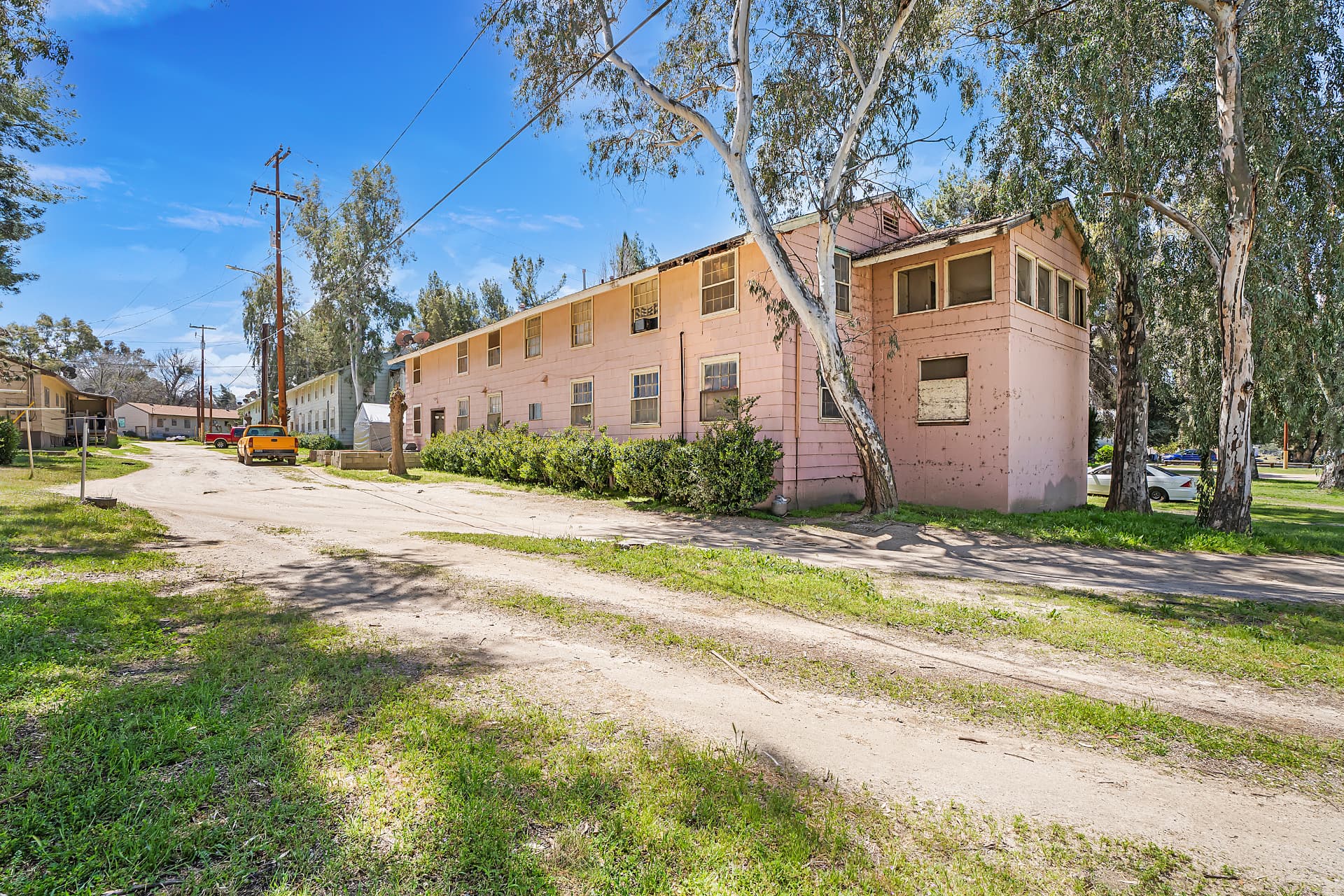
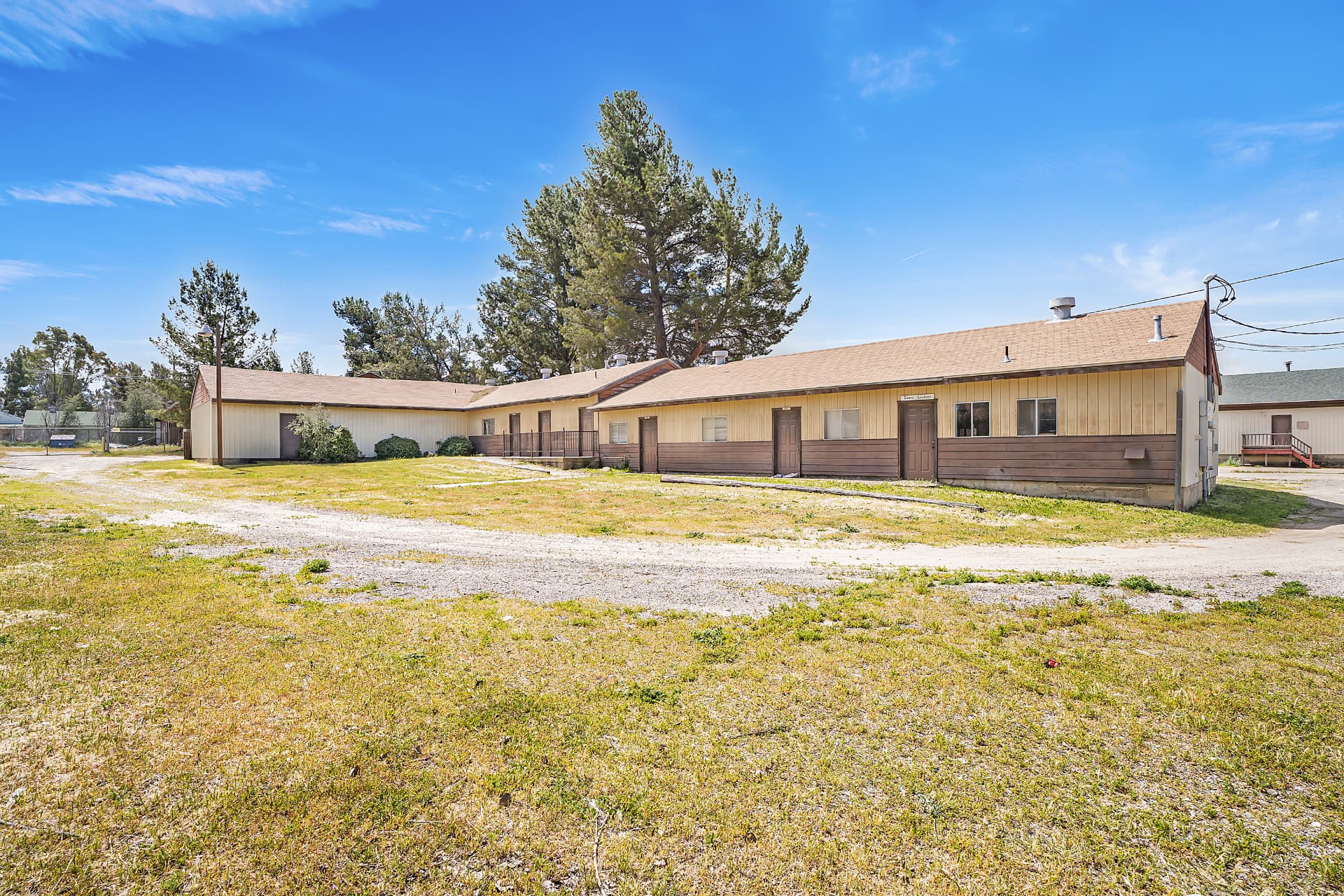
The Village of Campo is a working town, generating approximately $480,000 per year in scheduled rent. Residential cottages and apartments converted from historic barracks, and a commercial core anchored by the U.S. Border Patrol (tenant since 2013), the U.S. Post Office, and East County Lumber & Ranch Supply, the town's gathering place, on a lease running into the 2030s, alongside a cabinet shop, church, and VFW hall. Additional vacant structures offer immediate lease-up and adaptive-reuse potential.

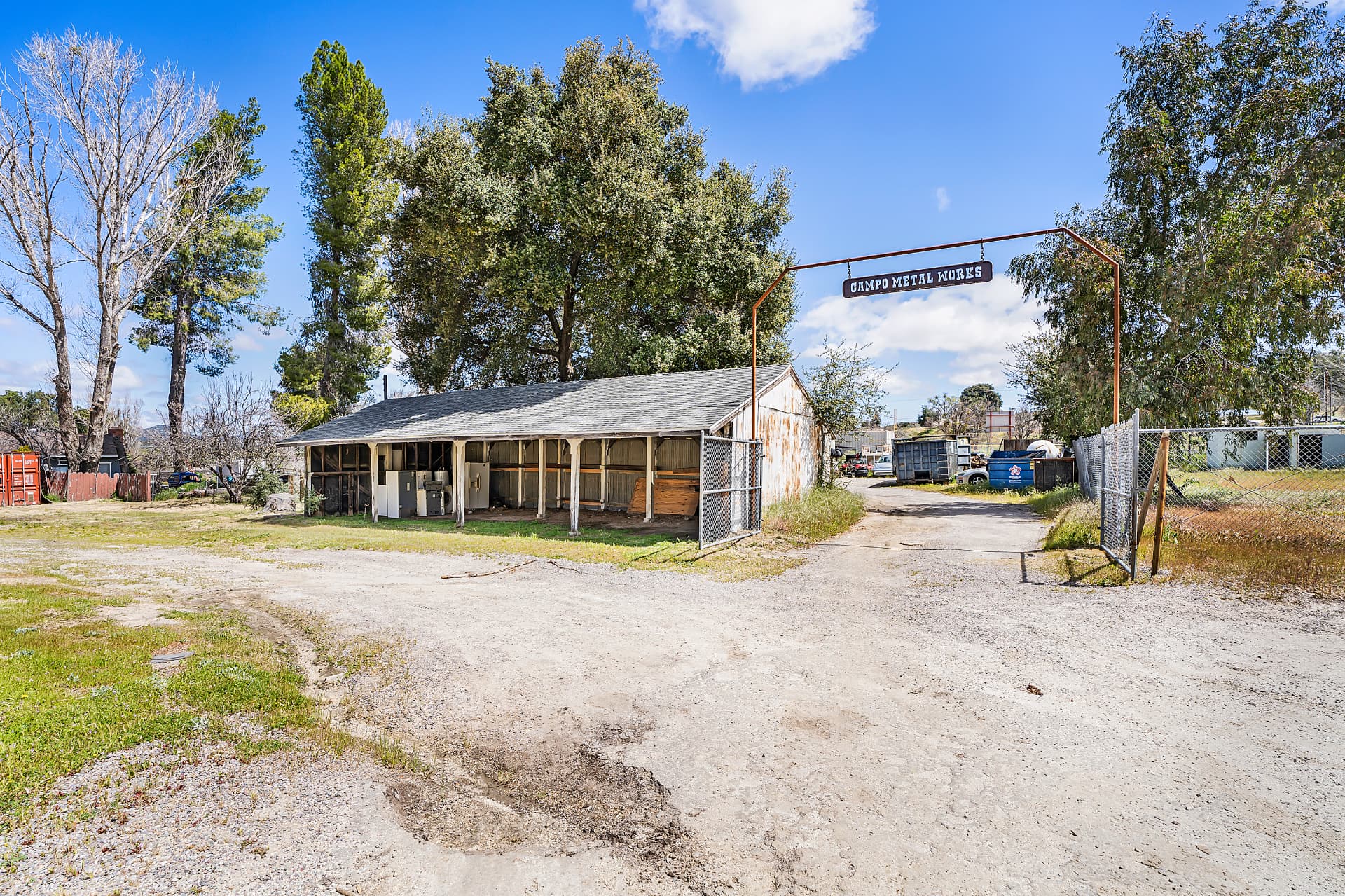
Two-story converted barracks apartments along a dirt laneCommercial building fronting the highway with parked trucks and trailersOpen-bay metal works shed beneath a Campo Metal Works signLarge warehouse building shaded by pines at a dirt crossroadsPink two-story barracks building on a quiet dirt streetSingle-story cottage row with covered porches and a laundry building

Chapter Three

Three Futures

Aerial view of the Village of Campo parcels outlined against the surrounding valley

I

The Reposition

Day-one scheduled income with obvious room to push. Seven commercial spaces sit ready for lease-up, led by a four-bay garage and warehouse that held the same tenant for a decade. Vacant residential units await renovation and re-lease. Rents across the portfolio sit below what turned, updated units command. The work is straightforward: renovate, lease, and let a working town run harder.

Aerial view of the Campo cottages and village parcels outlined below the backcountry hills

II

The Destination

The richest canvas in San Diego's backcountry. The Pacific Crest Trail crosses the highway steps from the property: a trail outpost, lodging in the historic cottages, a revived general store and café. Four operating museums, an equestrian event facility, and the annual Campo Days festival already draw visitors to the doorstep. Warehouses and hall buildings suit events, film, and makers. Twenty minutes east, the revival of Jacumba Hot Springs proved what a restored town becomes in this corridor.

Aerial view of the outlined commercial core of the Village of Campo

III

The Possibilities

  • A retreat. Twenty-eight residences, gathering halls, and open ground, plumbed, powered, and an hour from the city: the bones of a wellness center or residency program.
  • A backlot. An intact 1940s townscape that has barely changed in eighty years: film, television, and photography without building a set.
  • A company town. Housing, workshops, and warehouses in one place: a headquarters where the team lives where it works.
  • A community. A ready-made village for a group with a shared vision: co-living, an artists' colony, a faith community, with the church and halls already standing.
  • A camp. Barracks-born buildings, an equestrian facility next door, and the Pacific Crest Trail across the road: outdoor education, youth programs, leadership retreats.
  • A homecoming. Born a cavalry post, still home to a VFW hall: a campus for a veterans' organization to build on.

Or something no one has imagined yet.

Chapter Four

The Film

Filmed on location in Campo.

Chapter Five

The Setting

  1. The Village of Campo
  2. Gaskill Brothers Stone Store Museum
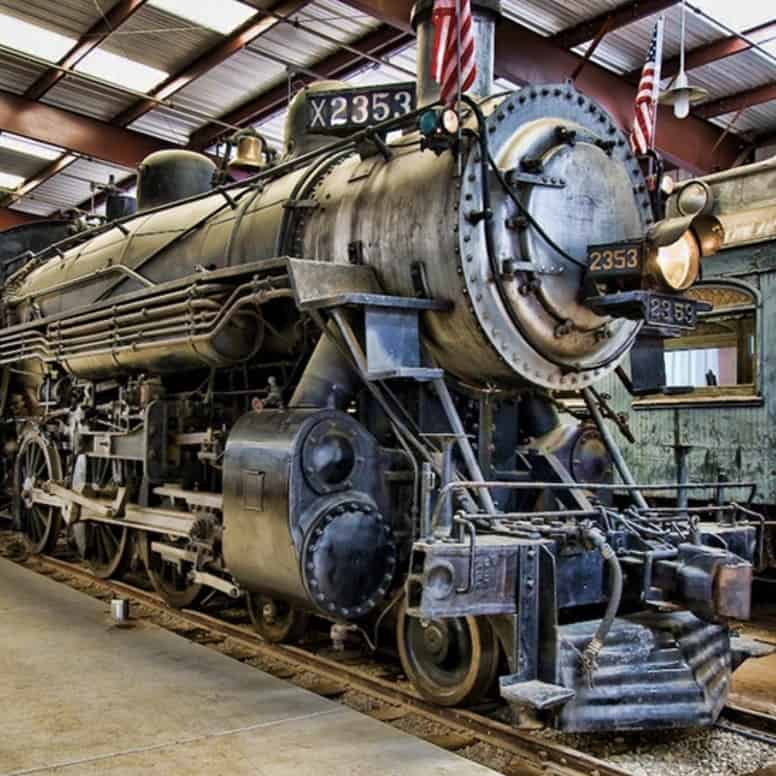
  3. Pacific Southwest Railway Museum
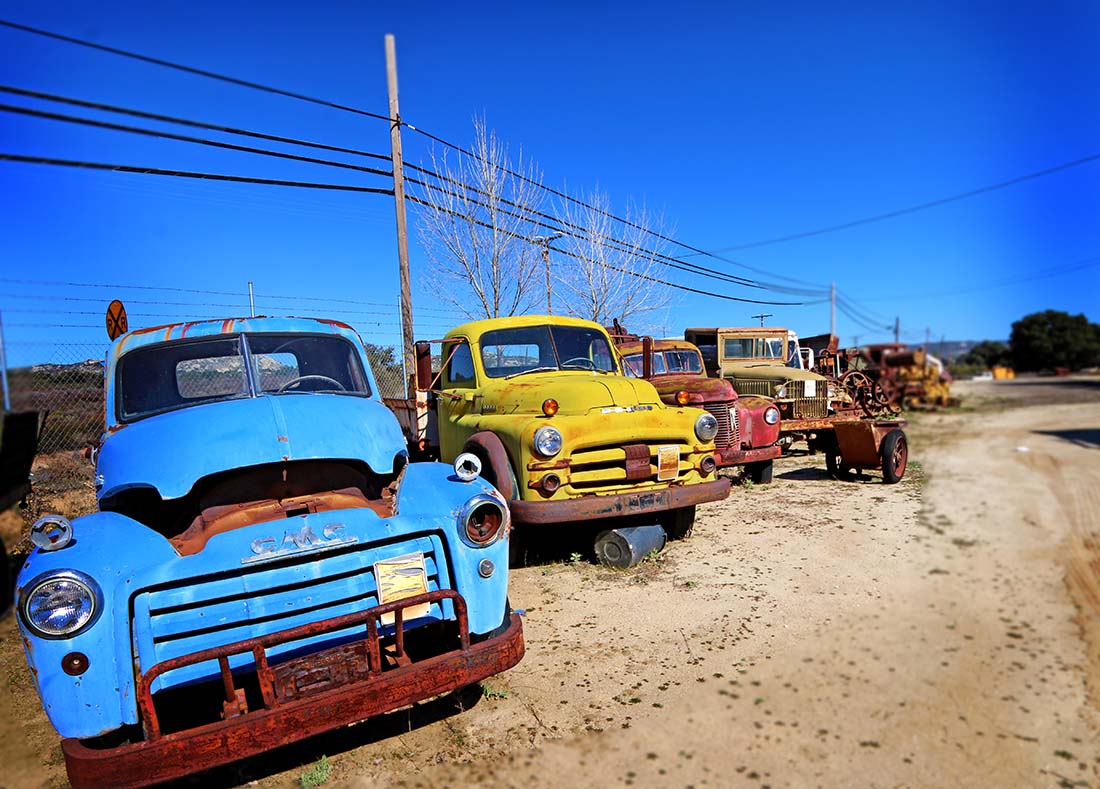
  4. Motor Transport Museum
  5. Camp Lockett Event & Equestrian Facility
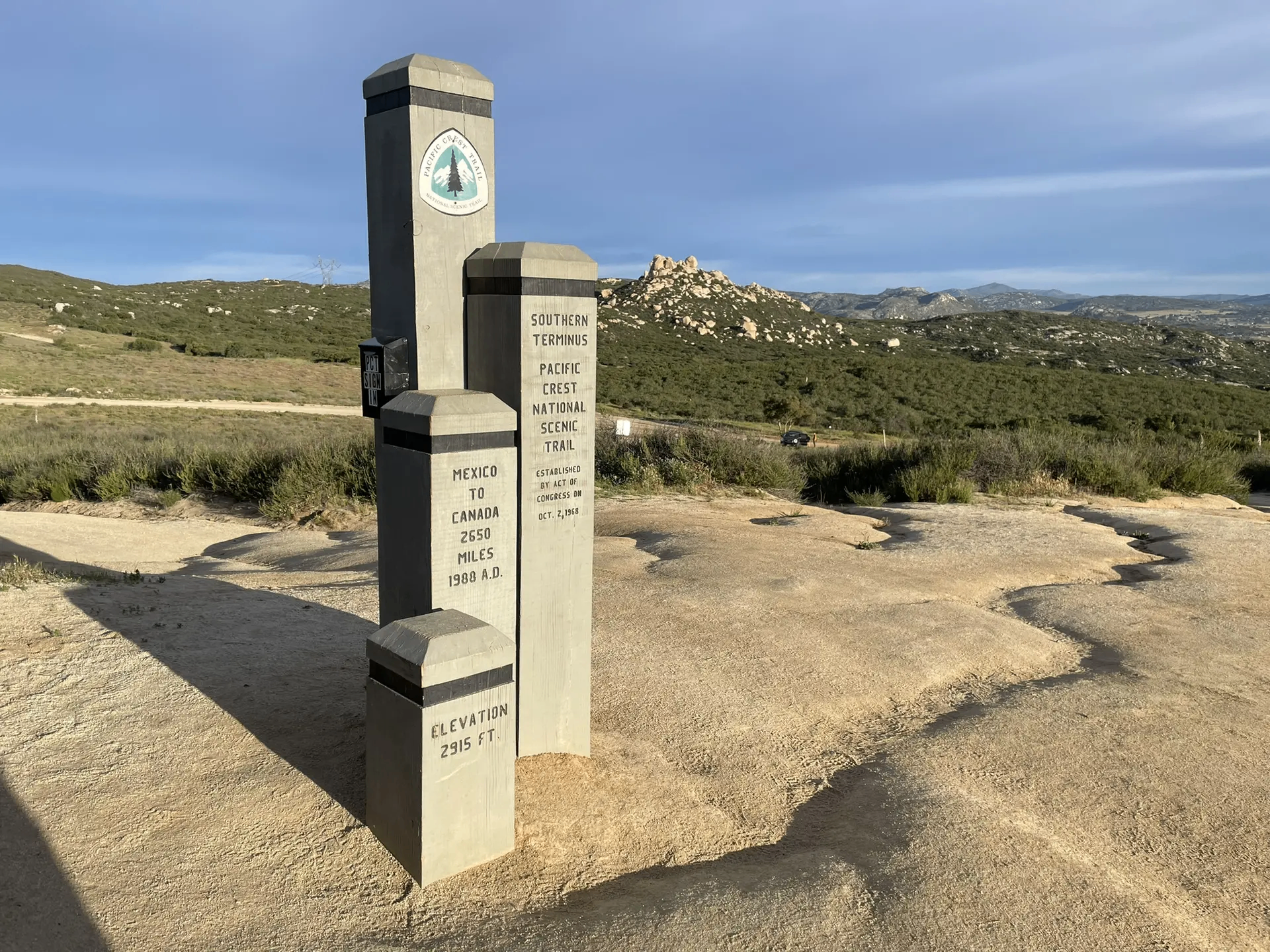
  6. Pacific Crest Trail crossing
Stone facade of the Gaskill Brothers Stone Store Museum in Campo
Gaskill Brothers Stone Store Museum
Restored steam locomotive at the Pacific Southwest Railway Museum
Pacific Southwest Railway Museum
Row of vintage trucks at the Motor Transport Museum in Campo
Motor Transport Museum
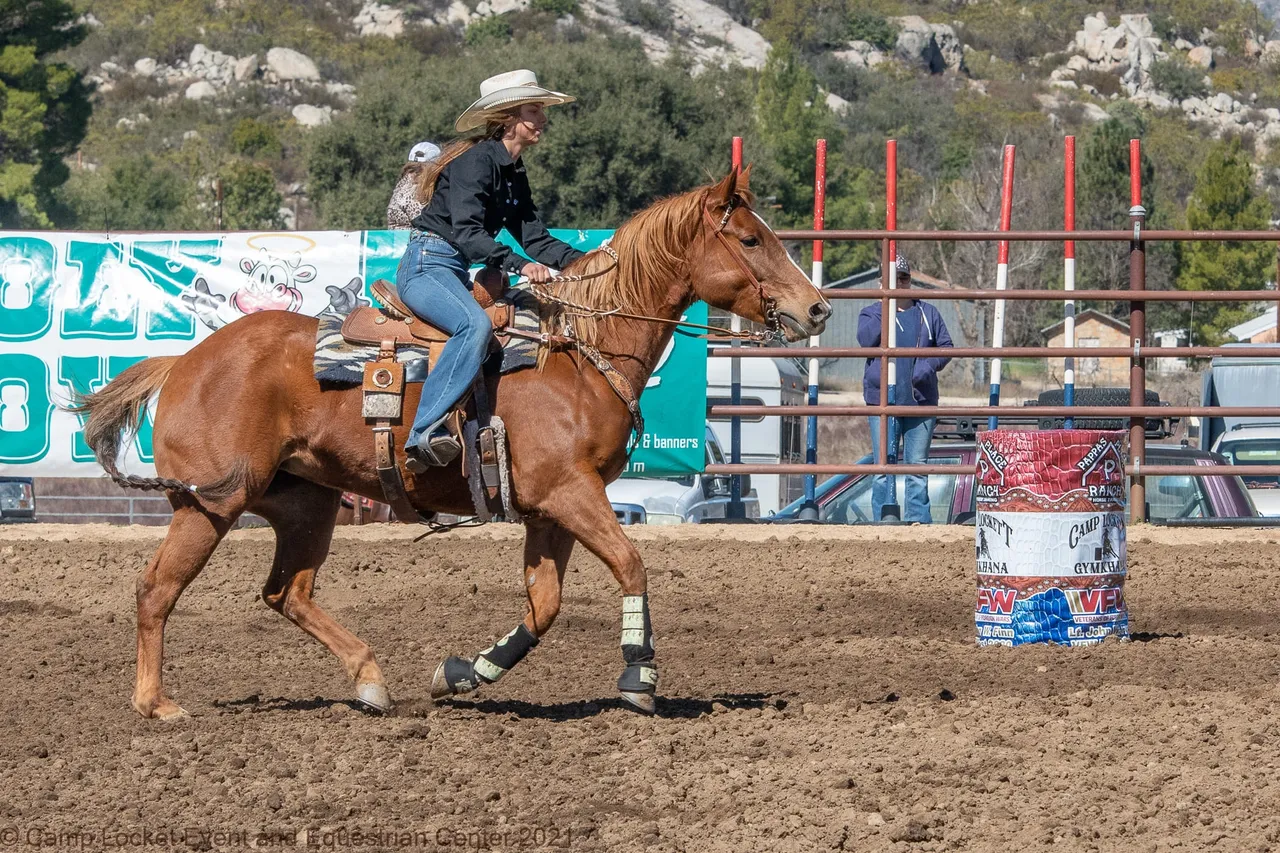
Rider on horseback in the arena at Camp Lockett Event & Equestrian Facility
Camp Lockett Event & Equestrian Facility
Southern terminus monument of the Pacific Crest Trail near Campo
Pacific Crest Trail
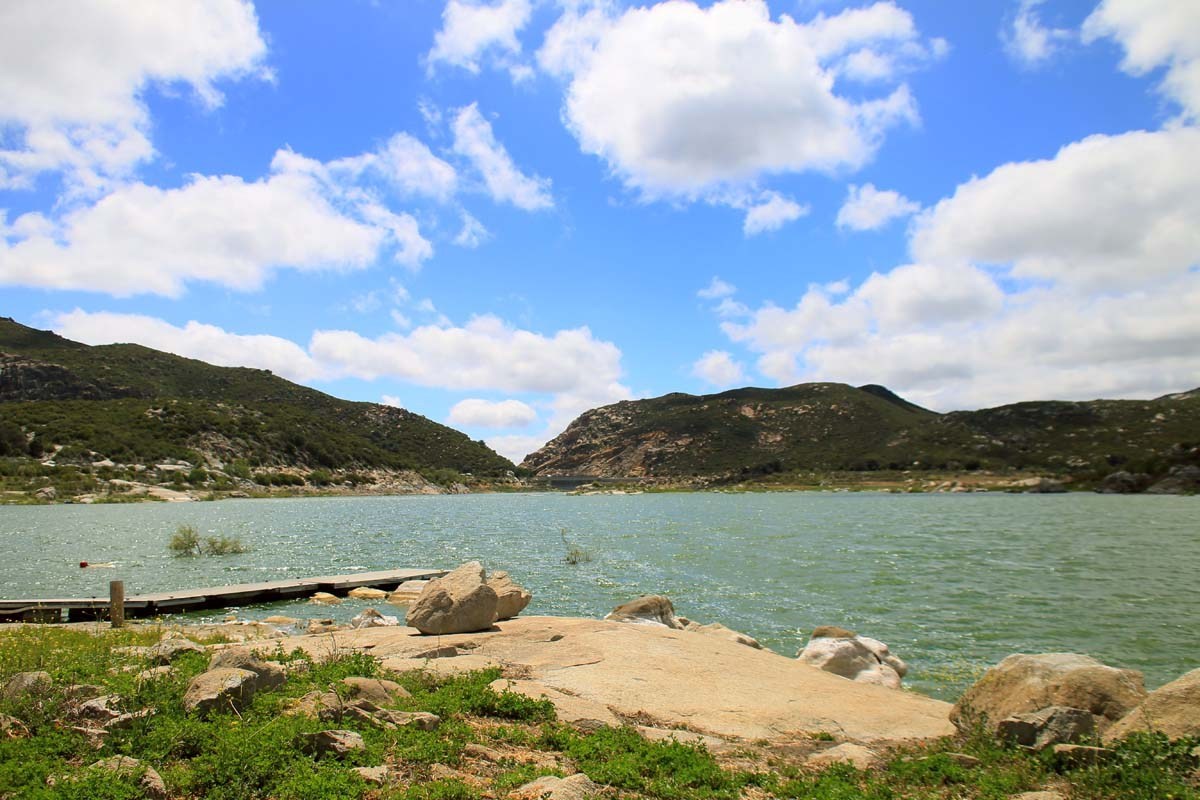
Lake Morena with a dock and backcountry hills under a blue sky
Lake Morena

One hour from downtown San Diego via State Route 94.

Terms

Offered at $5,995,000

Seller financing available for qualified buyers. Flexible structures considered. The property is offered as a whole; individual buildings are not for sale separately.

For the Full Offering Memorandum

Contact the listing brokers.

Nick Hernandez

DRE #02207439

(619) 602-0263

nickh@topguncre.com

Joseph Barela

DRE #02132418

(760) 718-8793

josephb@topguncre.com

Top Gun CRE, Inc. · DRE #02059064